
About WheeBuy Spreadsheet
Click the images below to browse!







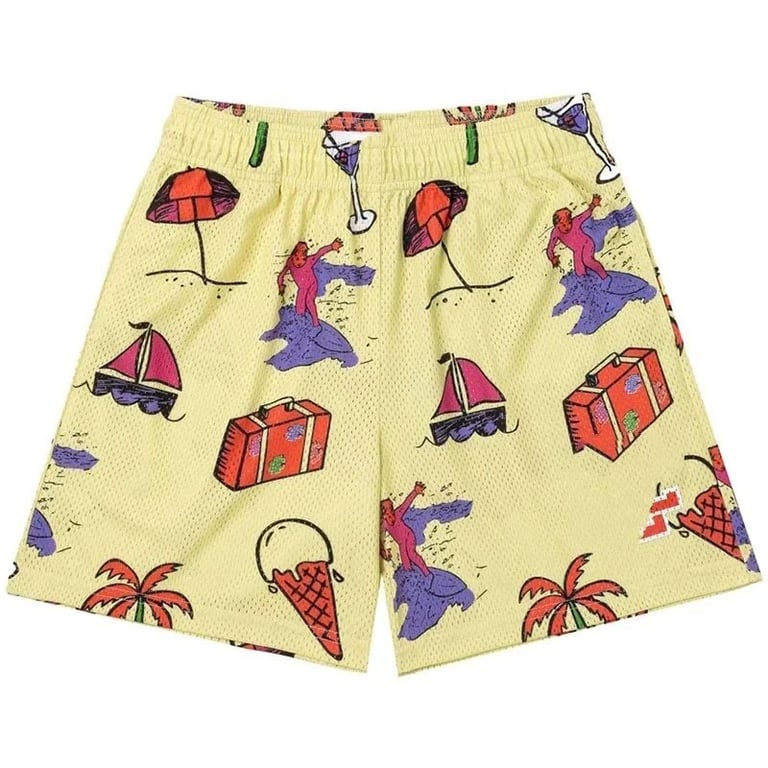
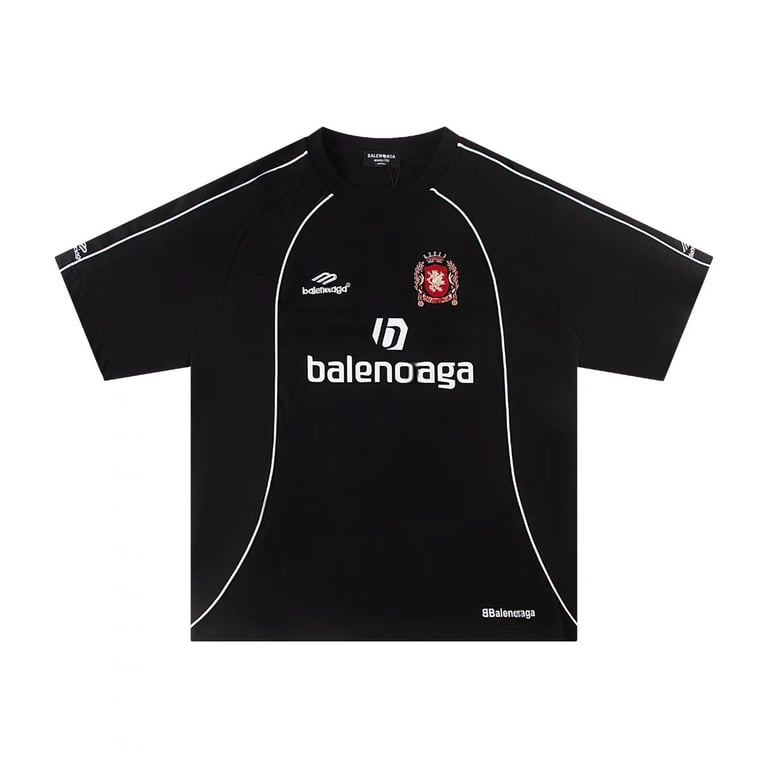


Overview of Wheebuy Spreadsheet Ecosystem for Global Ecommerce Infrastructure
As global ecommerce continues to evolve, businesses need more than just access to products—they need a complete infrastructure that connects sourcing, supplier management, catalog organization, and fulfillment operations. Sellers operating on Shopify, Amazon FBA, and TikTok Shop often rely on products from 1688 and Chinese microstores, but fragmented workflows can limit scalability. Wheebuy spreadsheet serves as a key component within a broader ecommerce ecosystem by organizing data flows and improving operational efficiency. Through structured sourcing and information management, Wheebuy spreadsheet helps create a stronger foundation for sustainable cross-border ecommerce growth.
1. Centralized Sourcing Infrastructure
Data consolidation:
Wheebuy spreadsheet brings together product and supplier information from 1688 and microstores into a centralized framework, reducing sourcing fragmentation.
Category management:
Products across Shoes, T-Shirts, Hoodies/Sweaters, Jackets, and Accessories can be organized using consistent data structures.
Supplier accessibility:
Centralized records make it easier for sellers to locate relevant sourcing partners and compare opportunities.
Business value:
A unified sourcing infrastructure improves efficiency and reduces the complexity of managing multiple supply channels.
2. Product Data Organization and Standardization
Structured information:
Wheebuy spreadsheet standardizes product details, specifications, and supplier records to improve data quality.
Catalog preparation:
Organized information simplifies the process of creating listings for Shopify, Amazon FBA, and TikTok Shop.
Variant management:
Complex product categories such as Pants/Shorts, Headwear, and Jersey apparel can be managed more effectively through standardized records.
Operational outcome:
Better data organization reduces listing errors and improves overall catalog consistency.
3. Supplier Network Coordination
Supplier tracking:
The ecosystem supports better visibility into supplier information and sourcing relationships.
Procurement efficiency:
Sellers can organize supplier data to streamline purchasing workflows and sourcing decisions.
Risk management:
Structured supplier records help businesses identify dependable sourcing partners over time.
Strategic impact:
Improved supplier coordination contributes to more stable and scalable ecommerce operations.
4. Cross-Platform Ecommerce Support
Platform compatibility:
Wheebuy spreadsheet helps align sourcing data with the operational requirements of major ecommerce platforms.
Multi-channel management:
Stores selling Sets, underwear/underpants, and Other Stuff can maintain consistency across multiple sales channels.
Workflow integration:
Organized product information supports smoother inventory management and product deployment.
Growth advantage:
Businesses can expand into new marketplaces without rebuilding sourcing systems from scratch.
5. Foundation for Scalable Global Fulfillment
Logistics visibility:
Structured sourcing data creates a stronger connection between product procurement and fulfillment planning.
Operational transparency:
Clear access to supplier and product information improves decision-making throughout the supply chain.
Expansion readiness:
As product catalogs grow, the ecosystem continues to support efficient management and coordination.
Long-term scalability:
A well-organized infrastructure enables sustainable growth across international markets.
Conclusion
The modern ecommerce landscape requires an interconnected infrastructure that supports sourcing, supplier management, catalog organization, and operational scalability. Wheebuy spreadsheet plays a central role within this ecosystem by transforming fragmented product and supplier information into structured, actionable data. By supporting sellers across Shopify, Amazon FBA, TikTok Shop, and 1688-based sourcing networks, Wheebuy spreadsheet helps build a more efficient and scalable foundation for long-term global ecommerce success.
How Wheebuy Processes and Structures 1688 Product Data Efficiently
For international ecommerce sellers, access to product data is only valuable when that information is organized and actionable. The 1688 marketplace contains millions of listings across categories such as Shoes, Hoodies/Sweaters, T-Shirts, Jackets, Pants/Shorts, Headwear, Sets, underwear/underpants, Jersey, Accessories, and Other Stuff. However, raw marketplace data is often inconsistent and difficult to manage at scale. Wheebuy spreadsheet addresses this challenge by transforming large volumes of 1688 product information into structured datasets that support sourcing, catalog management, and ecommerce operations. This process enables sellers on Shopify, Amazon FBA, and TikTok Shop to work more efficiently and make better business decisions.
1. Collecting and Consolidating Product Information
Data extraction:
Wheebuy spreadsheet gathers product information from 1688 and organizes it into a centralized environment for easier management.
Source unification:
Instead of reviewing multiple supplier pages individually, sellers can access consolidated product records within a single workflow.
Category coverage:
The system supports diverse product categories, from Shoes and T-Shirts to Accessories and Headwear.
Operational benefit:
Centralized information reduces research time and creates a more efficient sourcing process.
2. Standardizing Product Attributes
Data structuring:
Wheebuy spreadsheet organizes product titles, specifications, variants, and supplier details into a consistent format.
Information clarity:
Standardized records eliminate confusion caused by inconsistent naming conventions and incomplete descriptions.
Catalog readiness:
Products such as Hoodies/Sweaters, Jackets, and Pants/Shorts become easier to prepare for ecommerce listings.
Business impact:
Well-structured product data improves workflow accuracy and reduces manual editing requirements.
3. Managing Product Variations at Scale
Variant organization:
Many apparel categories include multiple colors, sizes, and style options that require careful management.
Data consistency:
Wheebuy spreadsheet helps ensure that product variations are organized in a logical and searchable format.
Store integration:
Structured variant data supports smoother imports into Shopify, Amazon FBA, and TikTok Shop stores.
Customer experience:
Accurate product options improve shopping experiences and reduce order-related errors.
4. Enhancing Product Analysis and Selection
Market evaluation:
Organized datasets make it easier to compare products across different suppliers and categories.
Trend visibility:
Sellers can analyze opportunities within Jersey products, Sets, underwear/underpants, and Other Stuff more efficiently.
Decision support:
Structured information helps businesses prioritize products with stronger sourcing potential.
Strategic value:
Better analysis contributes to smarter inventory and catalog development decisions.
5. Supporting Long-Term Ecommerce Scalability
Workflow efficiency:
As product catalogs expand, structured information becomes increasingly important for maintaining organization.
Operational flexibility:
Wheebuy spreadsheet supports both small stores and large-scale ecommerce operations.
Data reusability:
Product records can be updated, expanded, and reused across multiple sourcing and selling activities.
Growth outcome:
A scalable data structure enables businesses to grow without creating unnecessary operational complexity.
Conclusion
Efficient ecommerce sourcing depends on transforming raw marketplace information into structured and usable data. Wheebuy spreadsheet streamlines this process by collecting, standardizing, organizing, and optimizing 1688 product information for modern ecommerce operations. By helping sellers manage product catalogs more effectively across Shopify, Amazon FBA, and TikTok Shop, Wheebuy spreadsheet creates a stronger foundation for scalable sourcing, better decision-making, and long-term business growth.
The Role of Wheebuy in Modern Dropshipping Supply Chain Optimization
As global ecommerce continues to expand, dropshipping businesses face increasing pressure to optimize sourcing, supplier management, inventory planning, and fulfillment coordination. Sellers operating on Shopify, Amazon FBA, and TikTok Shop must manage complex supply chains while maintaining speed and cost efficiency. Traditional sourcing methods often involve fragmented supplier information and manual workflows that slow down growth. Wheebuy spreadsheet plays an important role in modern supply chain optimization by transforming scattered product and supplier data from 1688 and Chinese microstores into a structured system that supports scalable ecommerce operations.
1. Creating a More Efficient Product Sourcing Framework
Data centralization:
Wheebuy spreadsheet consolidates sourcing information from multiple suppliers into a single organized environment, reducing the need to manage separate data sources.
Category organization:
Products across Shoes, Hoodies/Sweaters, T-Shirts, Jackets, and Accessories can be categorized systematically for easier sourcing management.
Supplier accessibility:
Structured records allow sellers to locate relevant suppliers more quickly when evaluating sourcing opportunities.
Business result:
A streamlined sourcing framework reduces operational complexity and improves purchasing efficiency.
2. Improving Supplier Coordination and Visibility
Supplier tracking:
Wheebuy spreadsheet helps organize supplier information, making it easier to monitor sourcing relationships over time.
Performance comparison:
Sellers can compare suppliers based on product availability, pricing structures, and sourcing suitability.
Risk management:
Greater visibility into supplier networks helps reduce disruptions caused by unreliable sourcing partners.
Operational impact:
Improved coordination supports more stable supply chain performance and long-term scalability.
3. Optimizing Product Data for Ecommerce Operations
Data structuring:
Wheebuy spreadsheet standardizes product information, specifications, and variants to improve catalog consistency.
Platform compatibility:
Structured data can support product workflows across Shopify, Amazon FBA, and TikTok Shop environments.
Catalog management:
Categories such as Pants/Shorts, Headwear, Jersey products, and Sets become easier to organize and maintain.
Efficiency gain:
Standardized product information reduces manual corrections and administrative workload.
4. Strengthening Fulfillment and Logistics Planning
Shipping visibility:
Supplier locations and fulfillment-related information can be organized within a centralized workflow.
Process coordination:
Structured sourcing data helps connect procurement activities with logistics planning requirements.
Inventory preparation:
Accurate product records improve readiness for international order fulfillment.
Customer benefit:
More efficient fulfillment processes contribute to better delivery performance and customer satisfaction.
5. Supporting Long-Term Ecommerce Scalability
Growth readiness:
As product catalogs expand, Wheebuy spreadsheet provides a framework capable of handling larger sourcing operations.
Category diversification:
Businesses can explore additional segments such as underwear/underpants, Other Stuff, and emerging niche categories without disrupting existing workflows.
Operational consistency:
Standardized systems make it easier to maintain quality and efficiency as sales volume increases.
Strategic advantage:
Scalable processes allow sellers to focus on growth initiatives rather than operational bottlenecks.
Conclusion
Modern dropshipping success depends on efficient sourcing, supplier coordination, product management, and fulfillment planning. Wheebuy spreadsheet supports supply chain optimization by organizing complex sourcing data into a structured and scalable framework. By helping sellers streamline operations across 1688-based supply networks and major ecommerce platforms such as Shopify, Amazon FBA, and TikTok Shop, Wheebuy spreadsheet serves as a valuable tool for improving efficiency, reducing operational friction, and supporting sustainable business growth.
Wheebuy Platform Benefits for Cross-Border Sellers and Ecommerce Startups
Launching and scaling an ecommerce business has become more accessible than ever, but sourcing products, managing suppliers, and coordinating fulfillment remain significant challenges. For cross-border sellers and ecommerce startups, success often depends on building efficient systems from the beginning. Platforms like Shopify, Amazon FBA, and TikTok Shop offer access to global customers, while 1688 provides a massive supply network. Wheebuy spreadsheet helps bridge these ecosystems by organizing product and supplier information into a structured workflow. This makes it easier for startups and growing sellers to streamline operations, reduce complexity, and scale more efficiently.
1. Simplifying Product Sourcing for New Ecommerce Businesses
Sourcing accessibility:
Wheebuy spreadsheet helps sellers navigate large product databases from 1688 without manually reviewing countless supplier listings.
Category diversity:
Entrepreneurs can explore opportunities across Shoes, T-Shirts, Hoodies/Sweaters, Jackets, and Accessories using a structured sourcing approach.
Research efficiency:
Organized product information reduces the time required to identify suitable products for a new store.
Startup advantage:
Faster sourcing allows businesses to launch products more quickly and test market opportunities with greater confidence.
2. Improving Supplier Selection and Management
Supplier visibility:
Wheebuy spreadsheet organizes supplier information into a format that supports easier comparison and evaluation.
Decision support:
Sellers can review sourcing options based on product variety, supplier specialization, and operational suitability.
Risk reduction:
Structured supplier records help startups avoid sourcing mistakes that can impact customer satisfaction.
Business result:
Better supplier choices contribute to stronger long-term supply chain stability.
3. Supporting Multi-Platform Ecommerce Growth
Platform integration:
Product information organized through Wheebuy spreadsheet can support operations across Shopify, Amazon FBA, and TikTok Shop.
Catalog consistency:
Standardized records make it easier to maintain accurate product listings across multiple channels.
Expansion flexibility:
As stores grow, categories such as Pants/Shorts, Headwear, Jersey products, and Sets can be added efficiently.
Growth impact:
Businesses can scale sales channels without significantly increasing administrative complexity.
4. Enhancing Operational Efficiency and Organization
Data structuring:
Wheebuy spreadsheet standardizes product details, supplier records, and sourcing information into a centralized system.
Workflow management:
Organized data reduces the need for repetitive manual tasks and scattered record keeping.
Inventory preparation:
Products such as underwear/underpants and Other Stuff can be managed alongside core categories using the same workflow.
Productivity benefit:
More efficient processes allow teams to focus on marketing, sales, and business development.
5. Creating a Foundation for Long-Term Scalability
Business readiness:
A structured sourcing framework helps startups establish scalable processes from the beginning.
Operational consistency:
Standardized workflows become increasingly valuable as order volumes and product catalogs expand.
Market adaptability:
Sellers can respond to changing trends and sourcing opportunities without restructuring their entire operation.
Strategic value:
Scalable systems support sustainable growth while reducing operational bottlenecks.
Conclusion
Cross-border ecommerce success requires efficient sourcing, reliable supplier management, and scalable operational processes. Wheebuy spreadsheet provides a practical framework that helps startups and growing sellers organize product data, streamline supplier coordination, and support expansion across Shopify, Amazon FBA, TikTok Shop, and 1688 sourcing networks. By creating a more structured and efficient workflow, Wheebuy spreadsheet enables ecommerce businesses to build stronger foundations for long-term growth and international success.
Data Flow Architecture Inside Wheebuy Spreadsheet Sourcing System
Efficient sourcing is no longer just about finding products—it is about managing data effectively across the entire ecommerce workflow. Modern sellers operating on Shopify, Amazon FBA, and TikTok Shop rely on accurate product, supplier, and logistics information to make fast and informed decisions. With millions of listings available on 1688 and Chinese microstores, raw data can quickly become overwhelming. Wheebuy spreadsheet addresses this challenge through a structured data flow architecture that transforms fragmented sourcing information into organized, usable datasets. This architecture helps ecommerce businesses improve sourcing efficiency, reduce operational friction, and build scalable workflows.
1. Data Collection and Source Integration
Data acquisition:
Wheebuy spreadsheet gathers product and supplier information from 1688 and multiple microstore channels into a centralized sourcing environment.
Source consolidation:
Instead of switching between numerous supplier pages, sellers can access information through a unified workflow.
Category coverage:
The system supports diverse product segments including Shoes, T-Shirts, Hoodies/Sweaters, Jackets, and Accessories.
Operational value:
Centralized collection creates the foundation for efficient sourcing and product analysis.
2. Product Information Structuring
Data standardization:
Wheebuy spreadsheet organizes product titles, specifications, attributes, and supplier details into a consistent format.
Variant management:
Products with multiple sizes, colors, and styles can be structured for easier catalog management.
Category organization:
Segments such as Pants/Shorts, Headwear, Jersey products, and Sets can be grouped systematically.
Business impact:
Structured information improves accuracy and reduces manual data processing requirements.
3. Supplier Data Processing and Optimization
Supplier profiling:
The system organizes supplier information into searchable and comparable records.
Performance visibility:
Sellers can review sourcing options and identify suppliers that align with their business requirements.
Risk assessment:
Structured supplier data helps reduce sourcing uncertainty and improve procurement decisions.
Strategic benefit:
Better supplier insights contribute to stronger and more reliable supply chains.
4. Data Distribution Across Ecommerce Workflows
Platform integration:
Wheebuy spreadsheet supports data organization for use across Shopify, Amazon FBA, and TikTok Shop operations.
Catalog deployment:
Product information can flow more efficiently into listing creation and store management processes.
Inventory coordination:
Categories such as underwear/underpants and Other Stuff can be managed alongside core product lines.
Efficiency outcome:
Consistent data distribution helps reduce duplicate work and improves workflow synchronization.
5. Continuous Data Utilization and Scalability
Information reusability:
Structured records can be referenced for future sourcing, supplier evaluations, and catalog expansion.
Growth support:
As product portfolios expand, the architecture remains capable of handling increasing data volumes.
Operational consistency:
Standardized processes ensure information quality remains stable across larger operations.
Long-term advantage:
A scalable data flow architecture enables businesses to grow without creating unnecessary operational complexity.
Conclusion
The effectiveness of a sourcing system depends heavily on how information moves through the business. Wheebuy spreadsheet creates a structured data flow architecture that collects, organizes, processes, and distributes sourcing information efficiently across ecommerce operations. By transforming raw 1688 and microstore data into actionable insights, Wheebuy spreadsheet helps sellers improve sourcing accuracy, streamline workflows, and build scalable infrastructures for long-term success in global ecommerce.
Why Wheebuy Is Becoming Essential for International Online Retailers
The global ecommerce landscape has become increasingly competitive, requiring online retailers to optimize every stage of their operations. From sourcing products and managing suppliers to maintaining accurate catalogs and coordinating international fulfillment, efficiency is critical for long-term success. Retailers selling through Shopify, Amazon FBA, and TikTok Shop often depend on products sourced from 1688 and Chinese microstores, but handling large volumes of supplier data can be challenging. Wheebuy spreadsheet is becoming an essential solution because it helps transform fragmented sourcing information into a structured system that supports scalable ecommerce growth and operational efficiency.
1. Simplifying Access to Global Sourcing Opportunities
Source consolidation:
Wheebuy spreadsheet centralizes product and supplier information from multiple sourcing channels, making product discovery more efficient.
Category diversity:
Retailers can explore opportunities across Shoes, Hoodies/Sweaters, T-Shirts, Jackets, and Accessories without managing disconnected datasets.
Research efficiency:
Structured sourcing information reduces the time required to identify suitable products and suppliers.
Business result:
Faster sourcing enables retailers to respond more quickly to changing consumer demand.
2. Enhancing Supplier Management and Procurement
Supplier organization:
Wheebuy spreadsheet provides a structured framework for storing and reviewing supplier information.
Comparison capability:
Retailers can evaluate sourcing options based on product variety, availability, and operational suitability.
Procurement support:
Organized supplier records help streamline purchasing decisions and supplier communication.
Operational impact:
Improved supplier management contributes to a more reliable and predictable supply chain.
3. Supporting Large-Scale Product Catalog Management
Data structuring:
Product information is standardized to improve consistency across ecommerce operations.
Variant organization:
Complex categories such as Pants/Shorts, Headwear, Jersey products, and Sets can be managed more effectively.
Catalog accuracy:
Structured records help reduce listing errors and improve product presentation.
Scalability benefit:
Retailers can expand catalogs without creating significant administrative burdens.
4. Improving Multi-Platform Ecommerce Operations
Platform compatibility:
Wheebuy spreadsheet supports workflows used by Shopify, Amazon FBA, and TikTok Shop sellers.
Data consistency:
Standardized information ensures products are represented accurately across different sales channels.
Workflow efficiency:
Categories including underwear/underpants and Other Stuff can be managed using the same sourcing framework.
Growth advantage:
Retailers can expand into additional marketplaces while maintaining operational control.
5. Building a Foundation for Sustainable Growth
Operational visibility:
Structured sourcing and supplier data provide better insight into business performance.
Process standardization:
Consistent workflows help reduce inefficiencies and support long-term scalability.
Adaptability:
Retailers can respond more effectively to evolving market trends and sourcing opportunities.
Strategic value:
A strong operational foundation enables sustainable expansion in increasingly competitive global markets.
Conclusion
As international ecommerce continues to grow, retailers need reliable systems that simplify sourcing, supplier management, and operational scaling. Wheebuy spreadsheet has become increasingly essential because it transforms complex sourcing data from 1688 and Chinese microstores into a structured and actionable framework. By helping businesses improve efficiency across Shopify, Amazon FBA, and TikTok Shop operations, Wheebuy spreadsheet provides the organizational foundation needed for long-term growth, stronger supply chain management, and sustainable success in global online retail.